


News of improvement in the cost of living last month was upended on Thursday when the latest data revealed mortgage rates climbed to the highest level in nearly a year over the past week.
The national average 30-year fixed-rate mortgage climbed to 6.55 percent as of the week ending July 16, up 6 basis points from 6.49 percent the previous week, according to Freddie Mac—a level unseen since August 2025 and this year’s peak so far. For comparison, this time of the year in 2025 mortgage rates averaged 6.75 percent—a little higher than they are now.
But by the end of last year, experts were expecting 2026 to bring much lower rates—ending the year with a national average just below the 6 percent mark. In late February, mortgage rates briefly dipped below the 6 percent mark—but began to climb back up after the U.S. and Israel launched their joint strikes on Iran.
The military action and its effect on blockages in the Strait of Hormuz are linked to inflationary pressure, say economists.
Why Mortgages Are Rising Again—And How It Impacts the Cost of Living
Mortgage rates are now rising again “as renewed doubt about a Middle East resolution kept Treasury yields elevated despite an encouraging inflation report,” Realtor.com Senior Economist Hannah Jones said in a statement shared with Newsweek.
The ceasefire between the U.S. and Iran has unraveled over the past week after Iran attacked merchant ships trying to cross the Strait of Hormuz. The U.S. responded by striking back at military bases and other targets in Iran, an attack that was followed by Tehran declaring the Strait of Hormuz closed. In response, President Donald Trump announced that the U.S. was reinstating its blockade on the waterway.
As tensions between the two countries escalate again, volatility is once again engulfing the financial markets—just when things seemed to improve for Americans. Inflation in the U.S. eased last month, with the rate of rising prices at 3.5 percent in the year to June, according to the Bureau of Labor Statistics (BLS), down from 4.2 percent the previous month.
Lower oil and gas prices were mainly behind the bigger-than-expected drop, but—like mortgages—these are also on the surge again, adding to inflationary pressure.
“June CPI data showed headline inflation cooling to 3.5 percent and core inflation easing to 2.6 percent, both below expectations and a welcome sign for rate-watchers. However, the conflict in the Middle East flared up once again this week, pushing oil prices and Treasury yields higher,” Jones said.
“Since mortgage rates tend to track the 10-year Treasury yield, they’re likely to follow suit as long as oil markets stay jumpy.”
What Americans Can Expect Next
A majority of experts remain mildly positive about the direction mortgage rates will take in the coming months, despite having significantly revised their predictions for this year.
“Our midyear forecast still calls for mortgage rates to ease modestly over the second half of the year, and this week’s inflation data supports that view over the long run, but the near-term path remains hostage to how the Iran situation develops,” Jones said.
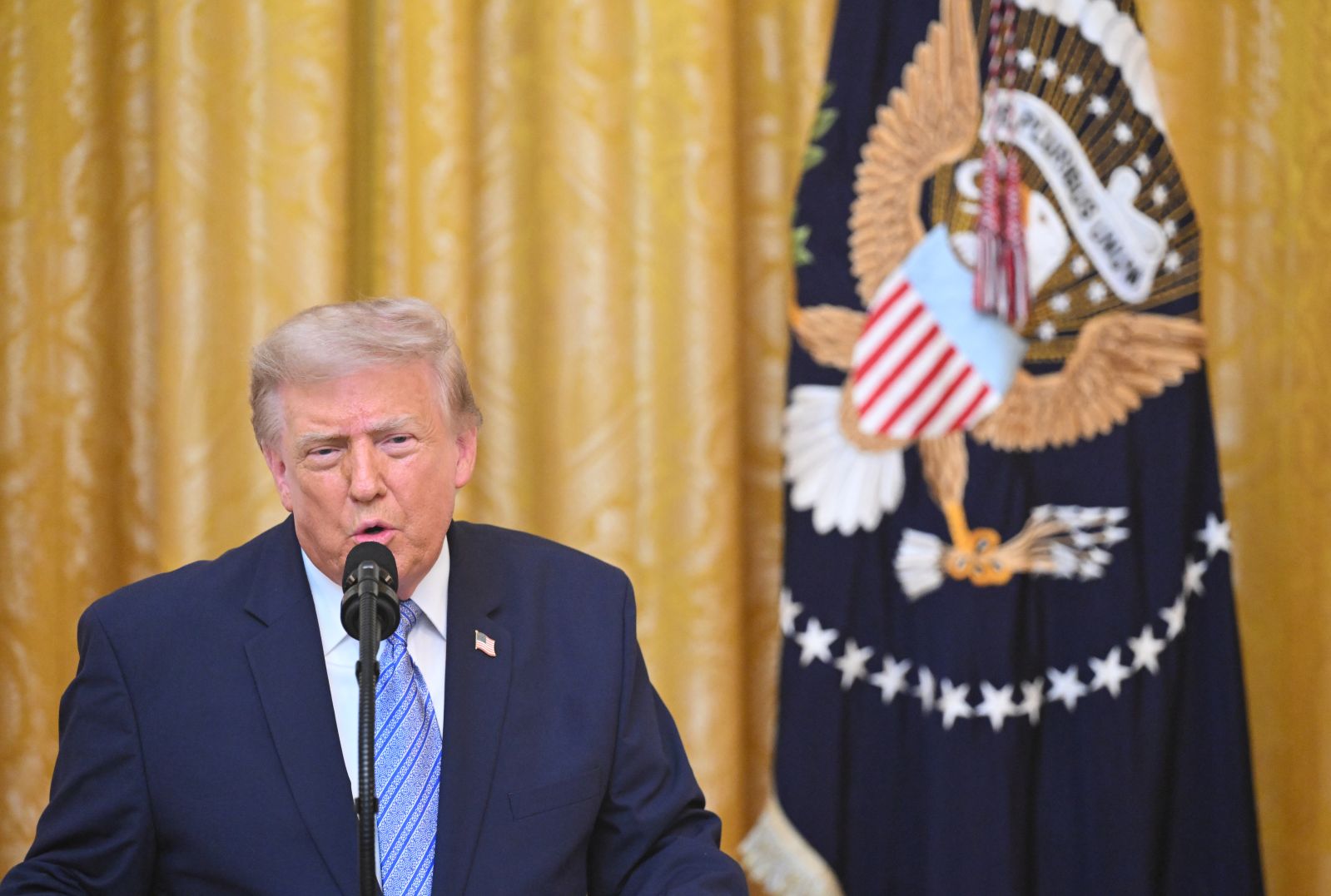
Talking with Fox News chief foreign correspondent Trey Yingst on Tuesday, Trump said that he would target Iran’s infrastructure “very hard” unless Tehran resumed peace talks.
The most immediate impact of higher mortgage rates will be felt by homebuyers, who are already struggling with rising prices, home insurance premiums, and high property taxes.
Total mortgage application volume already dropped 2.7 percent last week compared with the previous week, according to the Mortgage Bankers Association’s (MBA) seasonally adjusted index. Applications for a mortgage to purchase a home plunged 7 percent from the previous week and were down 2 percent from the same week a year earlier.
“The housing market has otherwise continued shifting in buyers’ favor this year, with prices cooling, inventory building, and sellers offering more concessions. A cooler CPI reading is a step in the right direction, but until mortgage rates actually follow suit, buyers will keep feeling the pinch of stubbornly high borrowing costs even as other conditions improve,” Jones said.
“For homebuyers, the message remains simple: focus less on waiting for the perfect rate and more on finding a home that fits your budget and long-term plans,” loanDepot Chief Investment Officer and Head Economist Jeff DerGurahian said in a statement shared with Newsweek.
Should inflation continue rising, it would spell more troubles for the Trump administration and Republicans ahead of the November midterms. Trump’s approval rating has been in the 30s since April now, having declined considerably since the Iran war proved to be a longer conflict than initially promised by his administration.
Newsweek contacted the White House for comment by email on Friday morning.
A new Washington Post-Ipsos poll found that only 37 percent of U.S. adults approve of the way Trump is handling his job as president, 33 percent back his economic stewardship, and an even lower 29 percent support his conduct in overseeing the war with Iran.
Contact Newsweek editors on this story: Ben Kelly and Trevor Davies
