

Google is expanding YouTube significantly beyond its traditional role as a video platform. On the Made on YouTube 2026 the group introduced new functions for AI-powered search, shopping, creator monetization, video production and live streaming. Google invests particularly heavily in combining content, product recommendations and direct purchasing options.
For retailers and brands, YouTube is moving closer to classic search engines, comparison portals and social commerce platforms. At the same time, generative AI will play a central role in navigation, production and marketing of content.
Ask YouTube becomes a shopping assistant
With new “Custom Feeds” In the future, users will be able to define their own recommendation feeds using natural language. Several such feeds can be saved and automatically updated with new, suitable videos. The launch is initially planned in the USA.
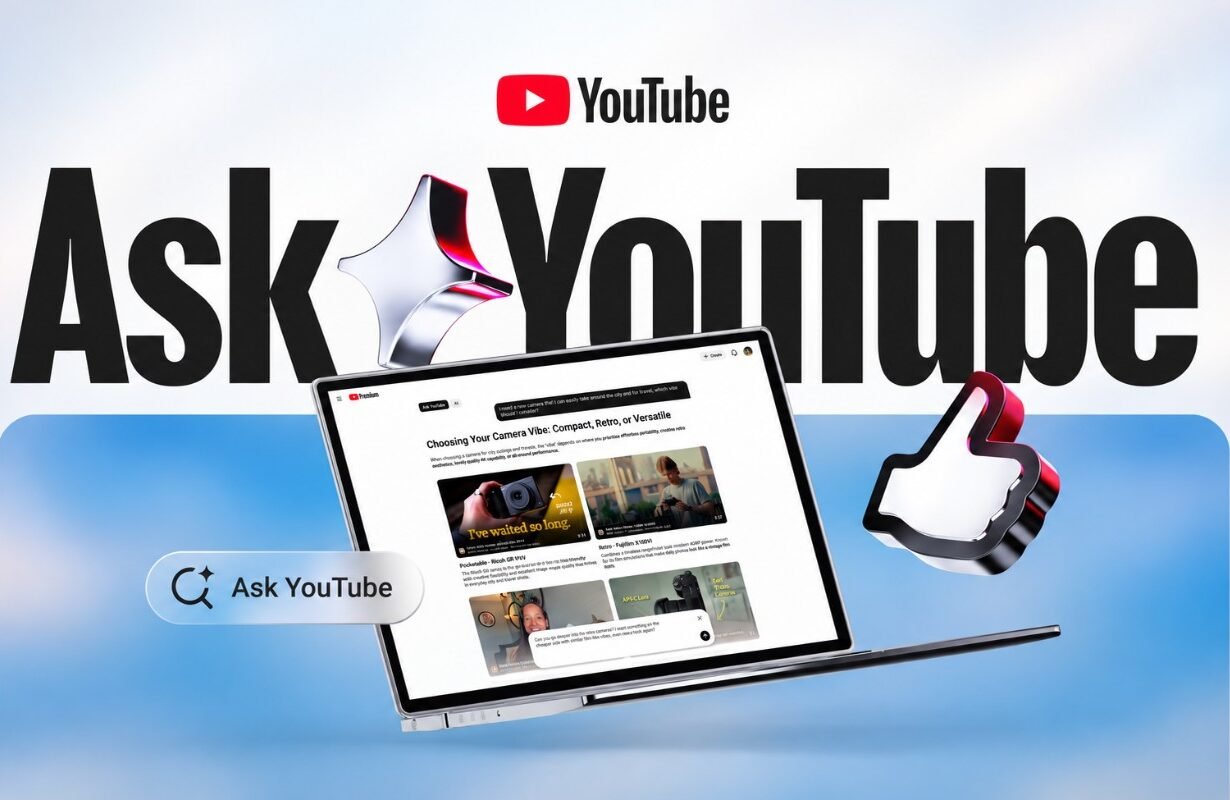
Ask YouTube is also being expanded. Users can ask questions about products during a video or view structured video recommendations and comparisons during a product search. This means that YouTube directly connects conversational search with creator content and purchasing decisions.
Advertisement
Winning in the platform economy
by Alexander Graf – the guide for retail decision-makers
★★★★☆ 4,4 / 5 Sterne
Affiliate program grows to 35 markets
Parallel YouTube is expanding its shopping affiliate program to 35 countries by the end of 2026. Creators can tag products in videos, shorts, and live streams and receive commissions on sales. According to the company, more than 1.3 million creators are already taking part.
In the future, product links should automatically lead international viewers to locally available offers. Merchants can also launch special affiliate campaigns with additional commissions or creator bonuses. Amazon products can already be marked in the USA, and other markets are to follow.
Gemini takes on more production work
AI is also being more integrated on the production side. Gemini Omni will support editing in Shorts and YouTube Create. Creators can rearrange scenes, remove pauses, synchronize music or create first cuts using voice commands.
YouTube Studio is also getting additional AI tools. This includes feedback on storytelling and pacing, automatically generated thumbnails, and A/B testing for different video versions. At the same time, YouTube is expanding its likeness detection and wants to recognize voices in addition to faces in order to better detect unauthorized AI impersonations.
Live streams and shorts are being monetized more
YouTube is planning additional interaction and monetization functions for live streaming. With Live Showdowns, two creators can compete against each other, while viewers award points via chats, gifts and super chats. Live Auto Dubbing has also been announced for the beginning of 2027, which will translate live streams in real time.
At the same time, shorts are being opened up more to serial formats. With Shorts Series, short videos can be divided into seasons and episodes. According to YouTube, so-called microdramas achieved more than 6.5 billion views in the first half of 2026 alone.
YouTube professionalizes creator commerce
Collaborations between creators and brands should also run more through YouTube’s own infrastructure. Ask Studio helps with brand briefs, pitches and media kits, while brands can more easily access sponsored content performance data and amplify successful videos with additional advertising budget.
This means that YouTube is increasingly shifting from a pure advertising platform to a more comprehensive commerce system. Product search, recommendation, creator content, affiliate links and brand collaborations are more closely linked. Google is trying to represent a larger part of the creator commerce value creation within its own platform.
