

Consumer spending in the US grew at an annualized rate of +3.4 percent in the second quarter of this year. At the same time, consumer sentiment declined 13.4 percent over the prior quarter, reaching a record low.
Economists are calling it a K-shaped market: higher-income households are spending more while lower-income households are pulling back on anything that isn’t essential. Fifty-three percent of Americans now budget formally, up from 46 percent a year ago. The consensus read is that the middle is getting squeezed: luxury is fine, discount is fine, and everything in between is in trouble.
The squeeze isn’t about how much money a person has or pricing tiers. It’s about what happens when prices grow faster than the economy. According to data from impact.com tracking US consumer shopping trends, average order values climbed 16 percent in the first half of this year—from $111 to $130—while transaction volume dropped 7 percent. Translation: consumers are spending more while buying less. That’s a behavior pattern sitting inside an economic trend. When the same household budget, stretched by inflation and tariffs, covers fewer purchases, every one of them has to earn its place.
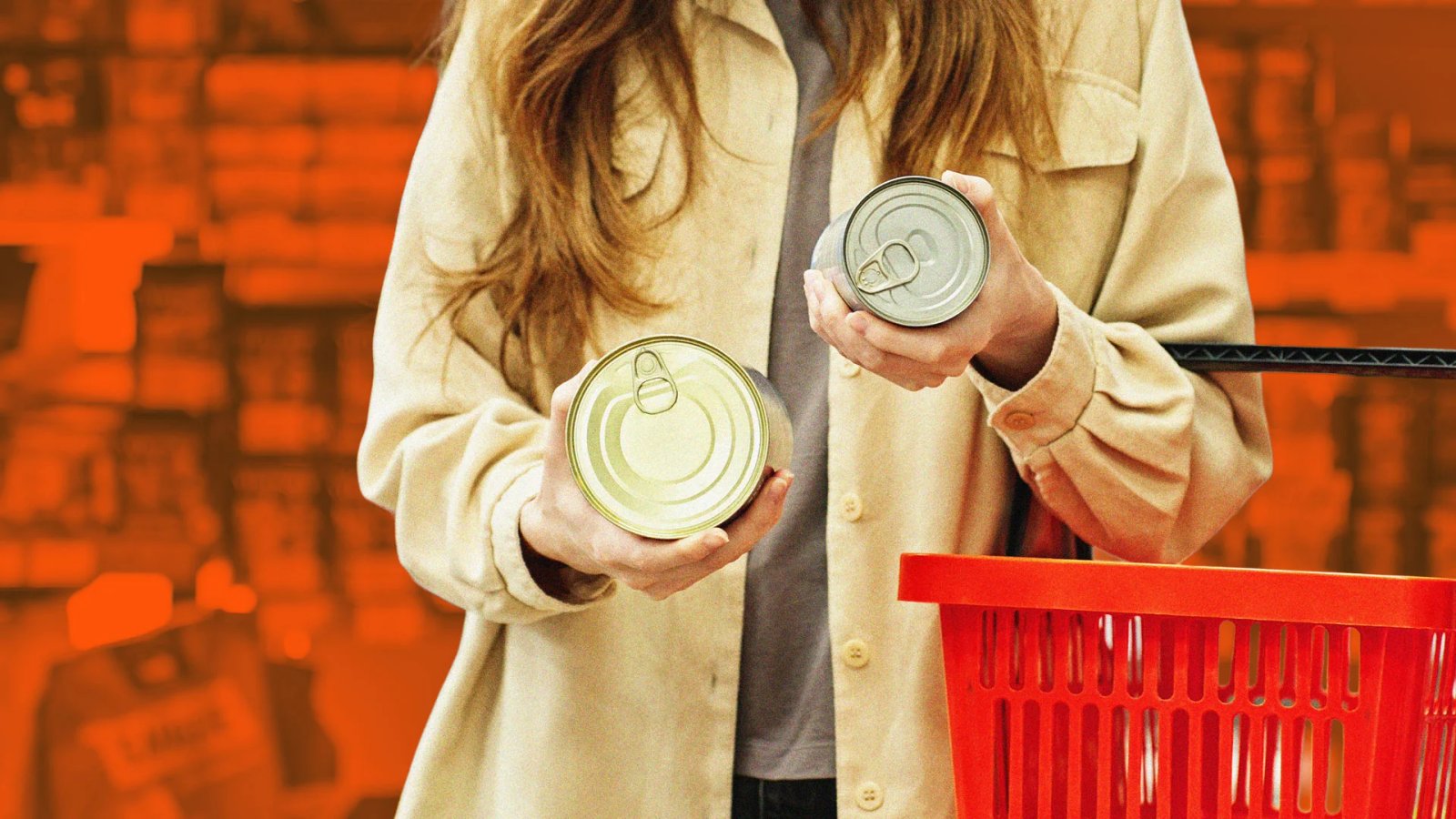
That forced selectivity changes how consumers make decisions. A yes to one thing means a no to something else. And the brands that survive this filter aren’t always the cheapest or the most premium. They’re the ones with the highest perceived value.
This Morning
The daily digest for entrepreneurs and business leaders
Which raises the question: what earns that perception?
Not discounts. Discounts win a transaction, not a position. Not familiarity. When budgets tighten, consumers stop defaulting to brands they know and start evaluating their needs. What wins is clarity: a value proposition specific enough that the consumer can answer “why this brand?” without hesitating. Not “it’s good quality”—that’s table stakes. Not “I’ve always bought it”—that’s habit. The brands holding their position right now are the ones whose customers can name exactly what problem they solve. That specificity is what survives a comparison. It’s what makes a consumer protect one purchase by cutting another.
Think about the skincare aisle. The $8 drugstore moisturizer holds its spot. Its price is the value proposition and everyone knows it. The $300 skin cream holds because its customers already know exactly what they’re paying for. The $60 moisturizer that says “hydrating formula with natural ingredients” is the one that gets cut. The one that says “barrier repair for mature skin that gets dry in the winter” replaced it in the cart. Same price point. The difference is that one told you exactly what it would do for a specific problem, and the other just told you it was good.
That dynamic plays out across every shopping category, and it explains why trial alone doesn’t translate to loyalty. Attentive’s 2026 State of Retention and Loyalty report puts a number on it: 88 percent of shoppers tried a new brand in the last three months, but only 18 percent plan to repurchase from most of them. And the top reason cited for not going back is the value didn’t justify the price. Not that the price was wrong. That the brand didn’t deliver what it promised.
The K-shaped market isn’t reflective of a change in consumer spending or taste. It’s the result of the dollar being stretched. When a consumer is forced to choose what makes it into the cart, the brands with clear answers win. The ones without them don’t.
The opinions expressed here by Inc.com columnists are their own, not those of Inc.com.
Get 1 Smart Business Story delivered straight to your inbox when you subscribe to Inc.’s free daily newsletter.
